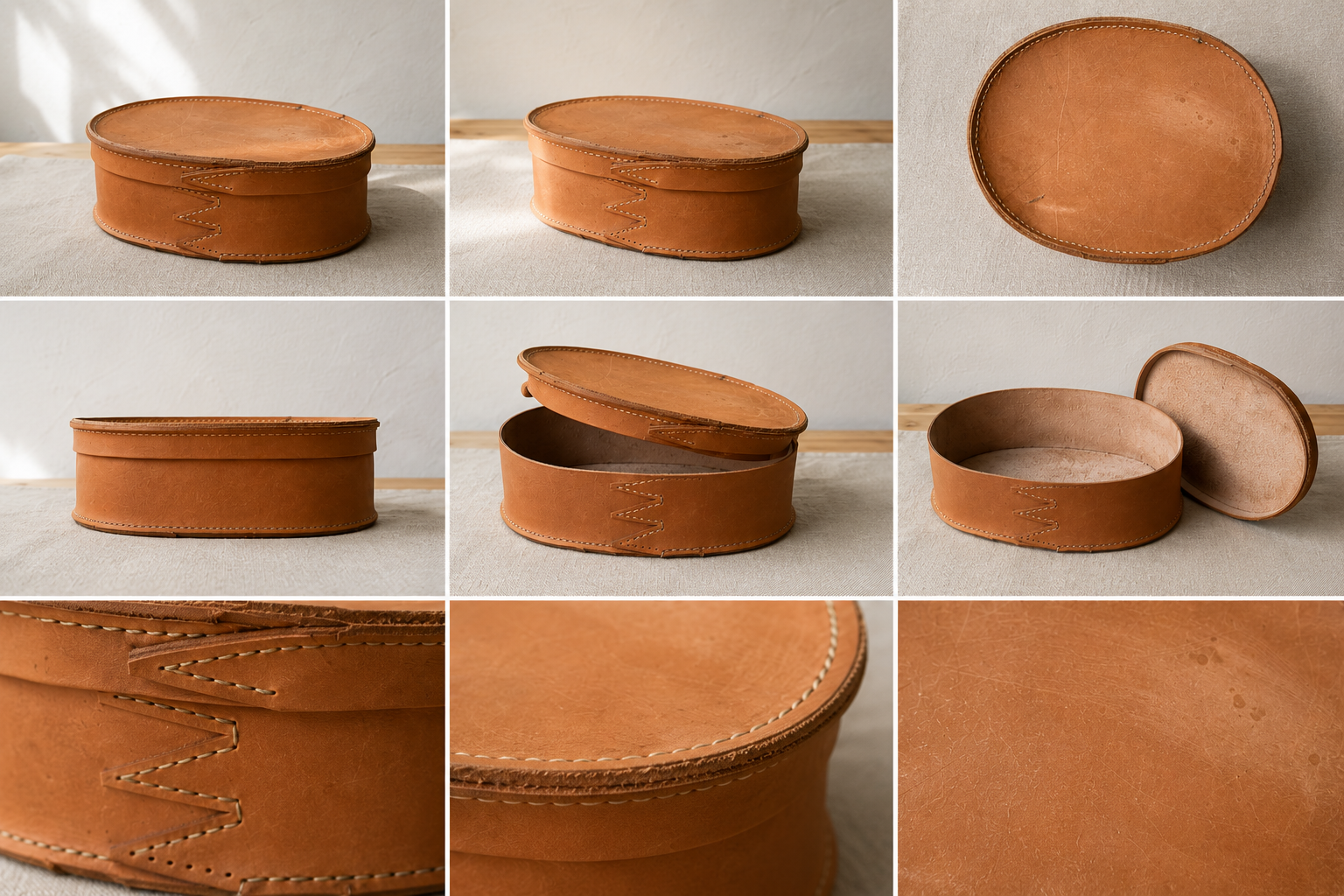
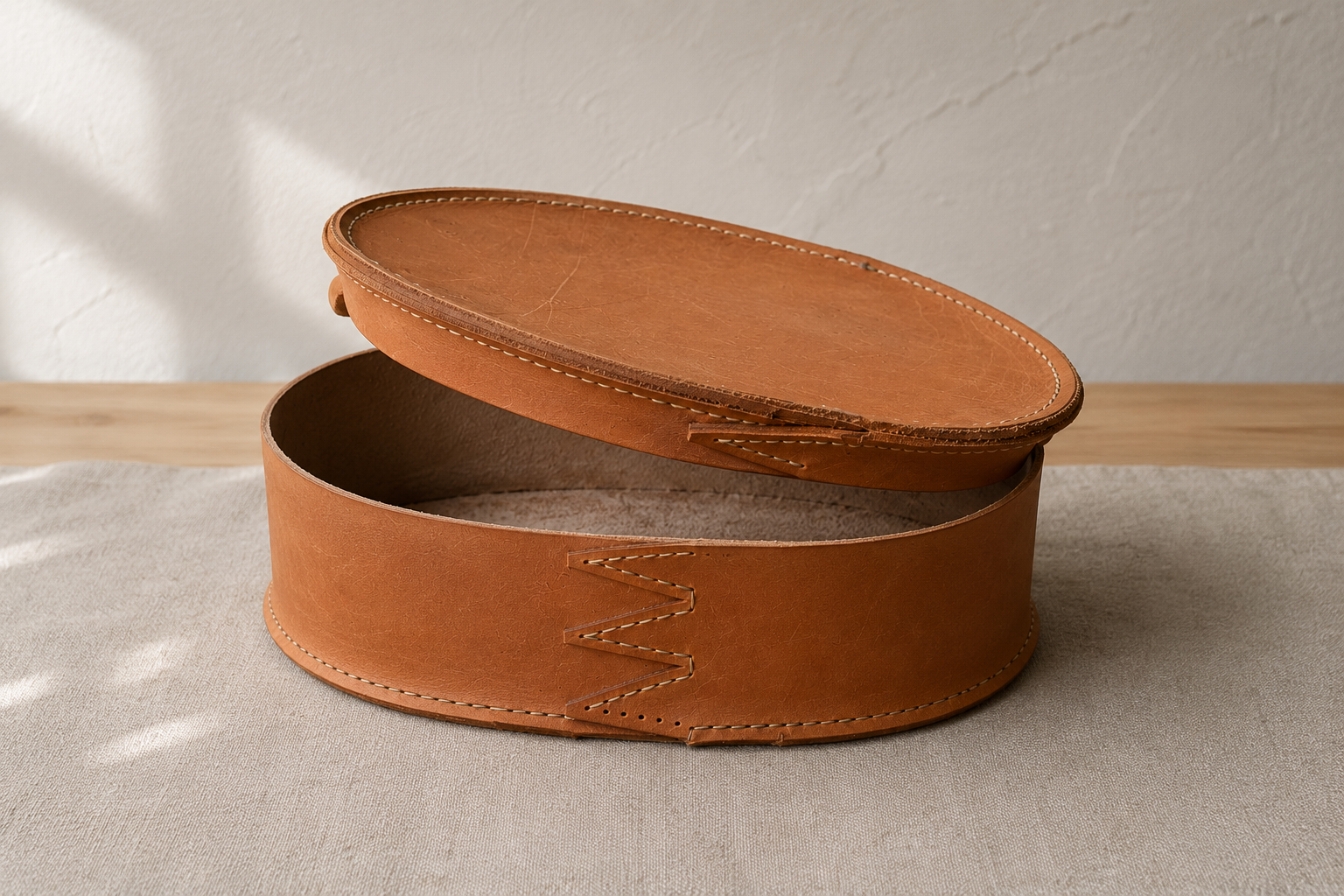
“Shaker” Box
Massachusetts · 2016
Constructed from a single continuous band of vegetable-tanned leather, this oval keepsake box explores how a simple material can be folded, stitched, and joined into a rigid vessel without introducing unnecessary complexity. The exposed finger-joint closure becomes both the primary structural connection and the defining visual element, allowing construction and ornament to become one and the same.
Over the years, the leather has developed a natural patina through everyday use. Scratches, softened edges, and subtle shifts in color record the object's history rather than diminish it, reflecting an approach to making that values longevity, repair, and the quiet accumulation of use.
Inside Out Tote
New York · 2013
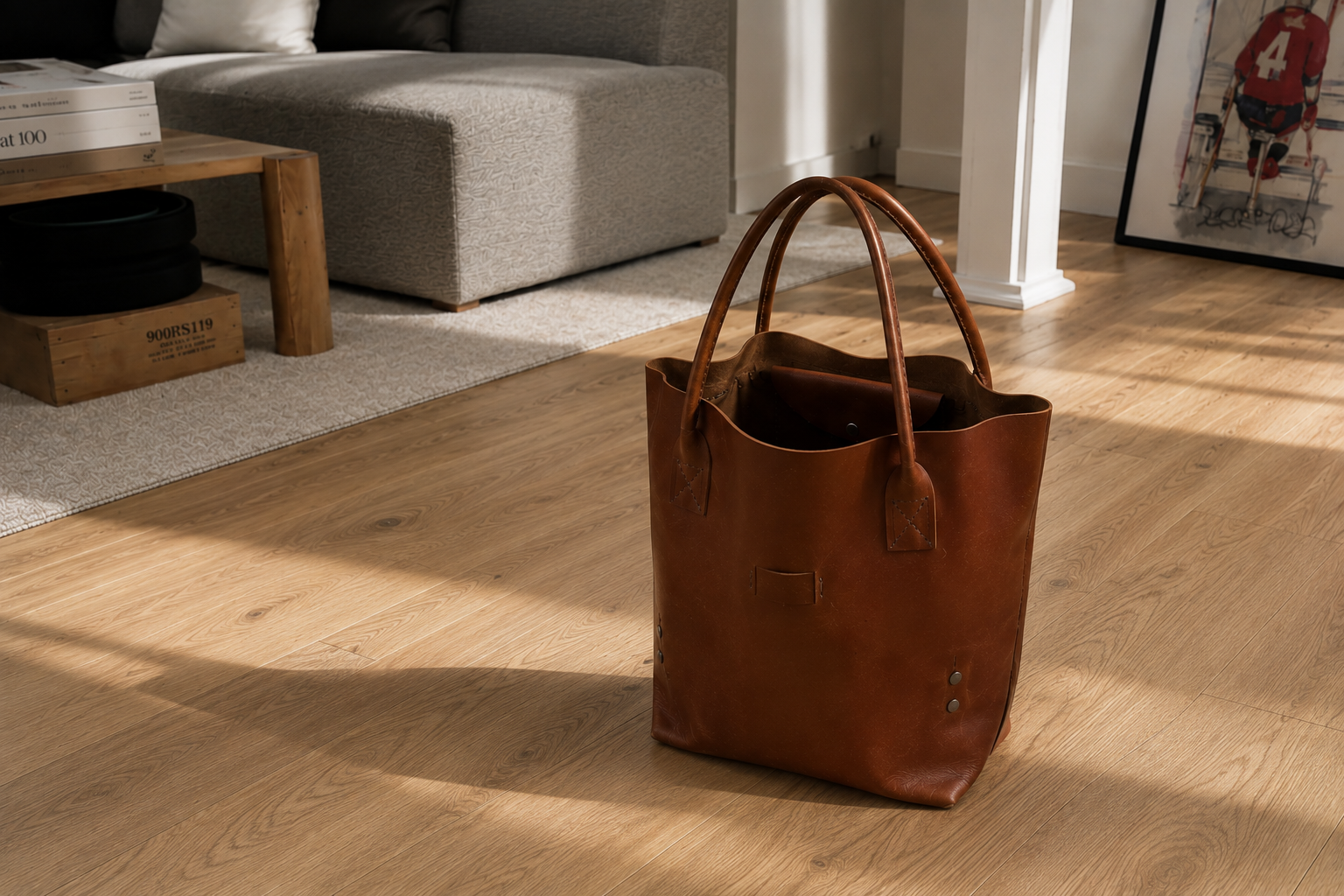
This project began with a familiar object: the classic canvas utility bag. Rather than adapting the form to leather, I kept the original construction logic almost exactly the same. The bag is cut from a single piece of thick vegetable-tanned leather, stitched up both sides, then turned inside out so the seams are hidden and the structure is created almost entirely by the material itself. A small envelope pocket is suspended from the interior, and two medium-length handles are attached with simple hand-stitched reinforcements.
The original idea was that it would be shipped flat in an envelope. The recipient would have to wrestle it into shape, physically turning the bag inside out before using it. That small act felt like an appropriate introduction to an object whose construction remained visible in its final form.
More than a decade later, it's the bag I carry to work almost every day. Of everything I've made, it's probably the most successful—not because it was the most ambitious, but because it quietly solved a problem well enough that I never stopped using it.
Process Duffel
Rome, Italy · 2012
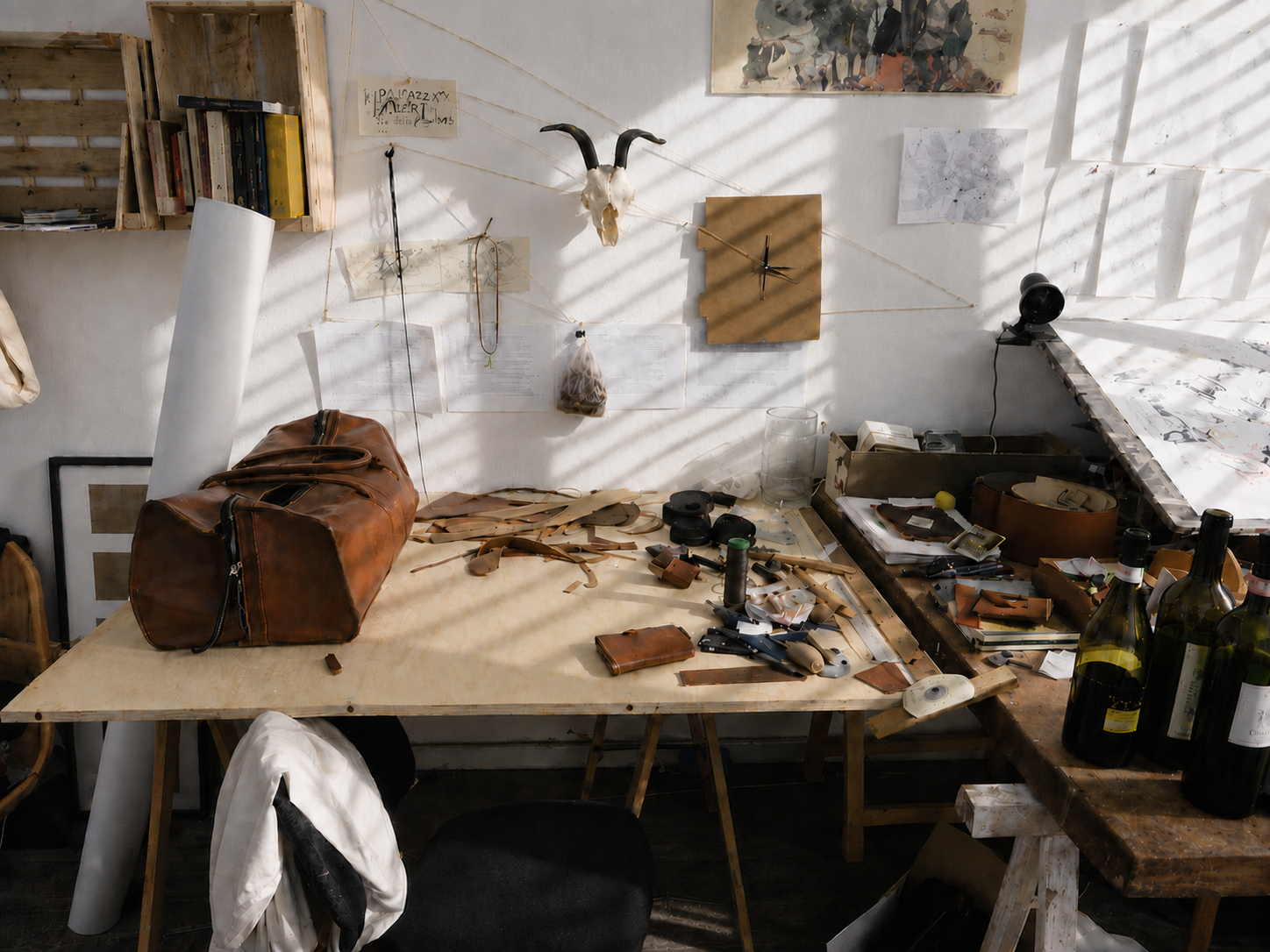
I began this project during a semester studying architecture in Rome as my first experience working with leather. What started as a hand-stitched travel duffel quickly became an exercise in iteration. Every piece was cut, stitched, disassembled, and reworked by hand as the project evolved.
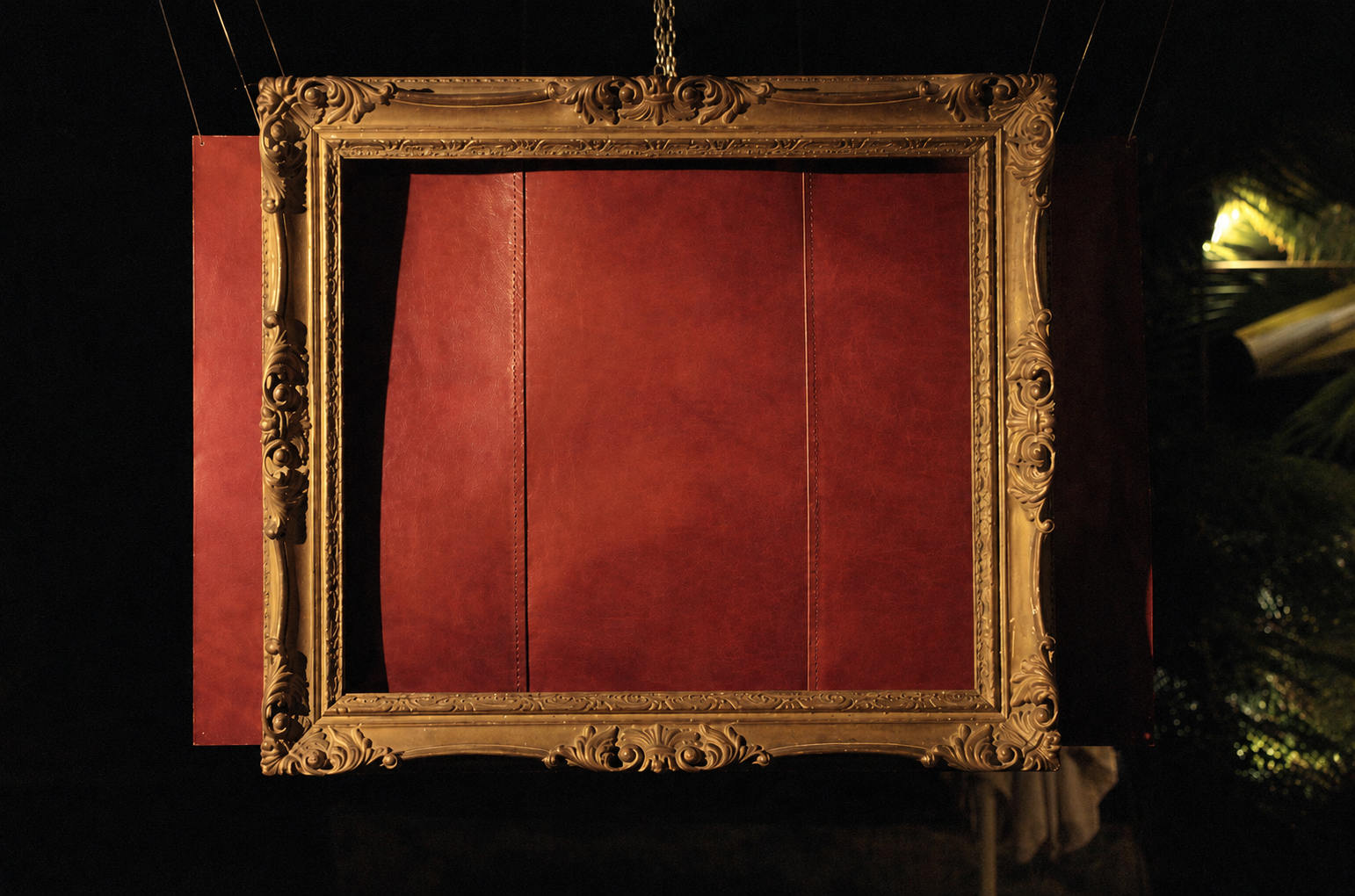
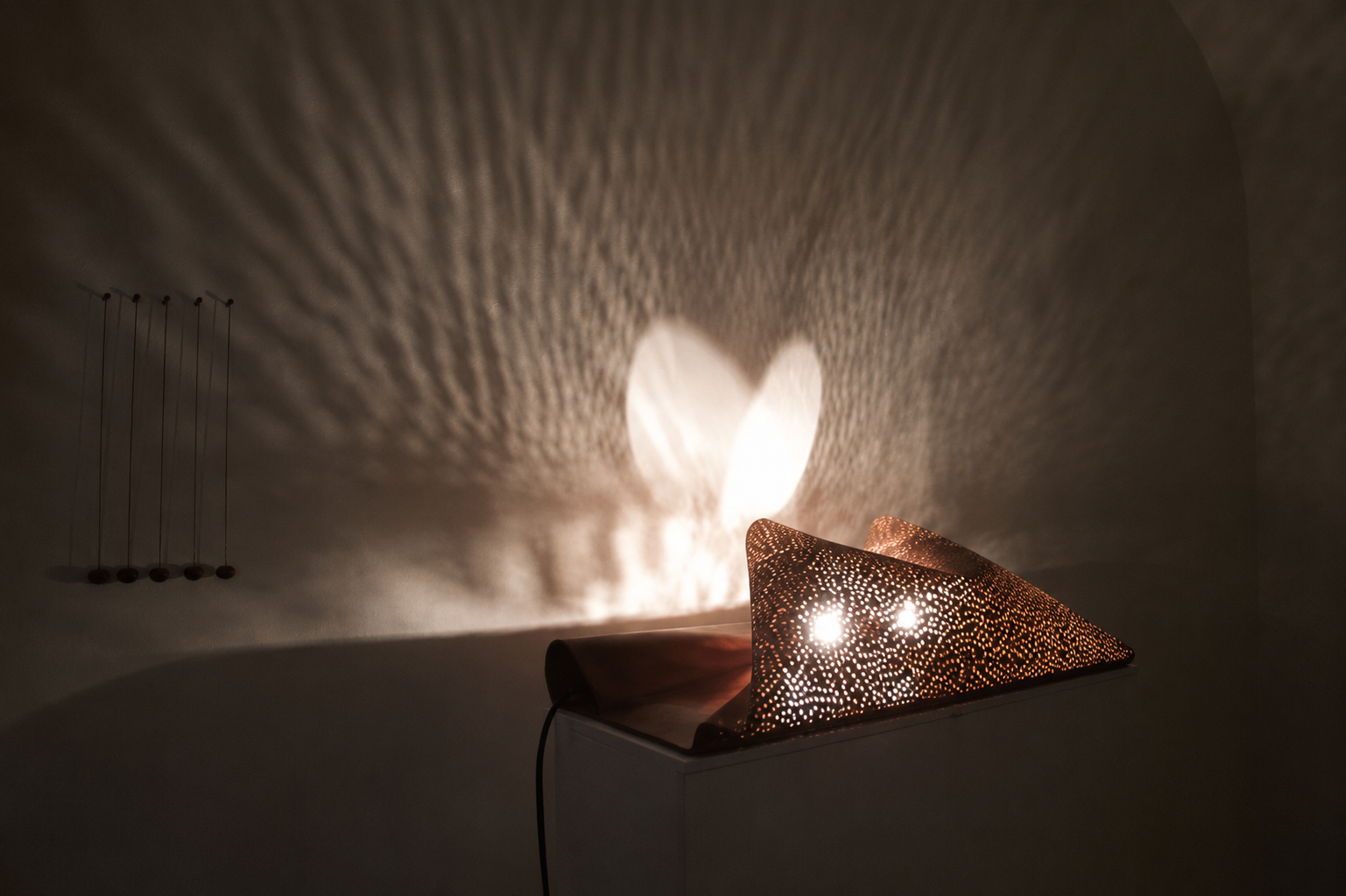
Rather than treating the bag as a finished object, I continued to use it as raw material. For a student exhibition, I dismantled it and presented the leather panels as a framed composition. Later that semester, on the night before my final critique, I punched hundreds of holes into those same pieces and transformed them into an illuminated sculpture.
In hindsight, the most important decision wasn't making the bag—it was deciding not to preserve it. The project taught me that ideas often become more interesting when they're allowed to change form, and that process can be as meaningful as the objects it produces.
Material Study
Rome, Italy · 2012
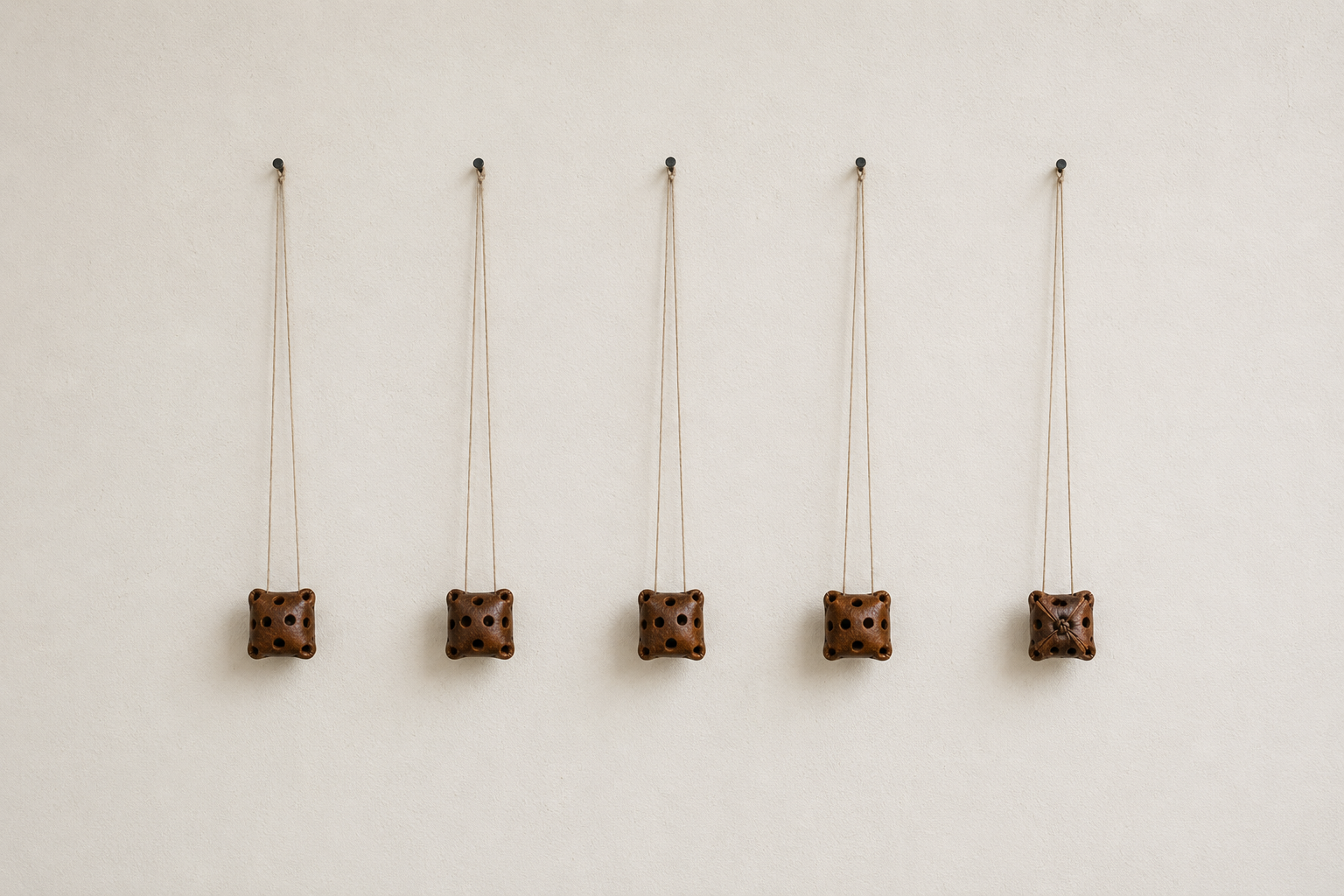
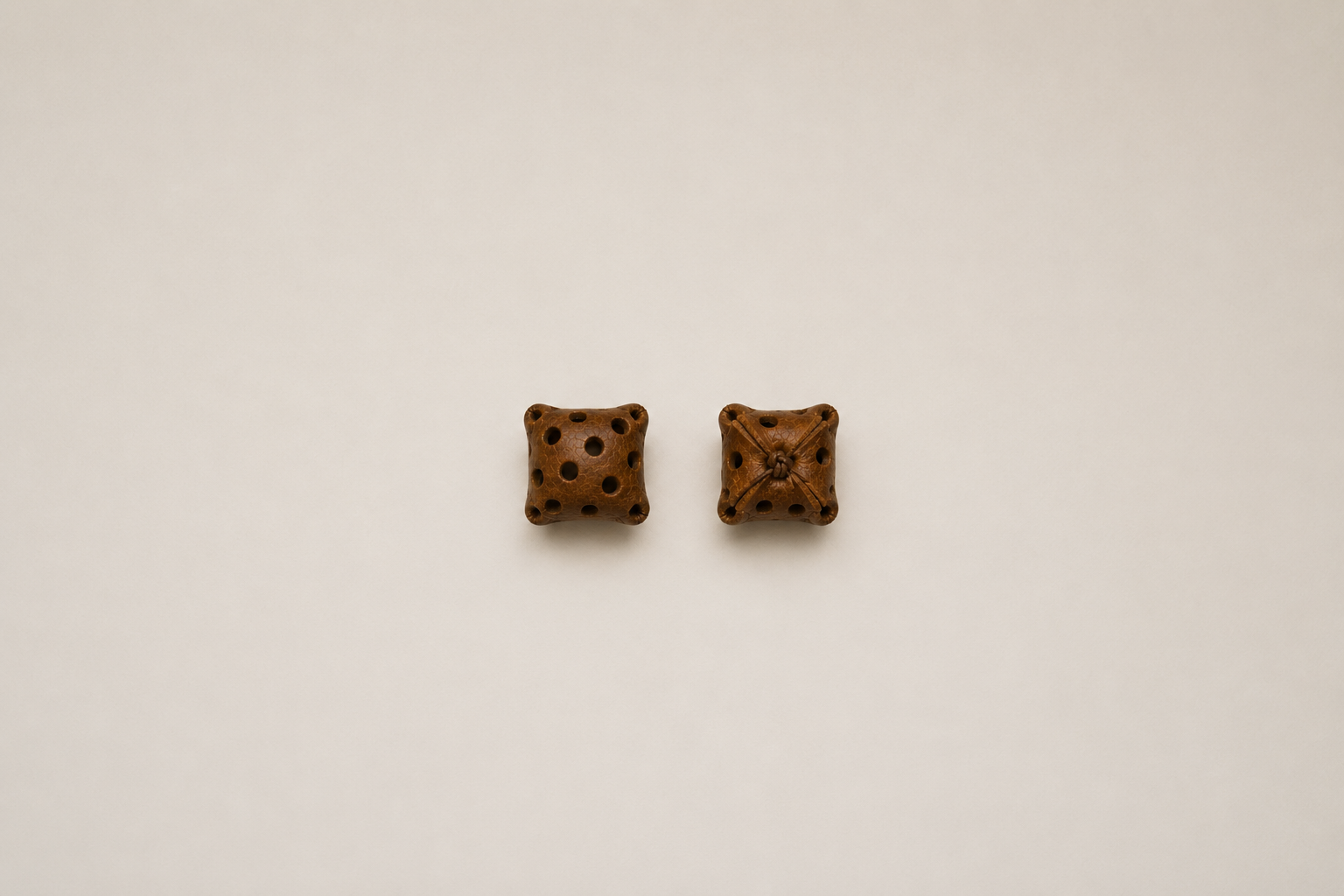
I developed this study while learning to work with leather during a semester in Rome. Starting with small offcuts of vegetable-tanned leather, I began experimenting with how perforation could alter the material's behavior. Punching a field of holes into each piece made the leather flexible enough to gather its four corners into a compact three-dimensional form with a single knot hidden on the reverse.
The resulting objects were surprisingly rigid despite their simple construction. Originally conceived as beads, they were also sewn directly onto clothing and hinted at possibilities for larger assemblies and cast versions in other materials.
Looking back, what stayed with me wasn't the object itself but the discovery that a small change to a material could completely transform the way it behaved. It was an early reminder that experimentation often begins with paying close attention to the material in front of you.